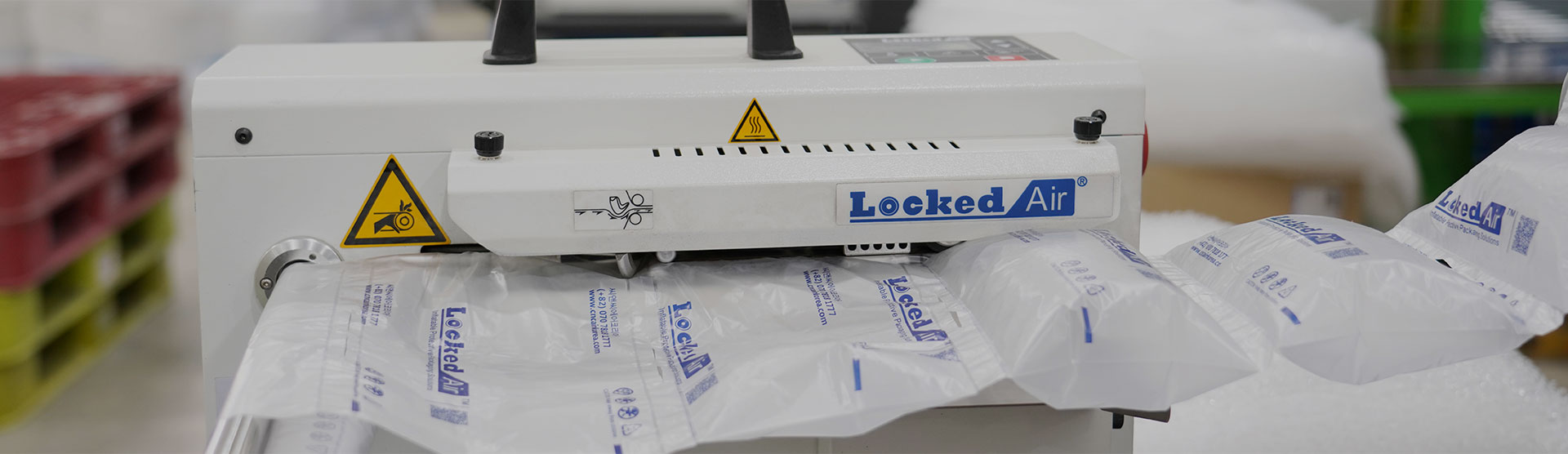
Choosing an air cushion machine and film supplier is not only about comparing machine prices. The machine, film, quality control, technical support, and long-term supply capability operate as one packaging system. A low-cost machine may create higher expenses if it requires frequent adjustment, produces weak seals, or accepts only limited film formats. Likewise, good film cannot perform consistently if inflation and sealing are unstable.
For packaging distributors, e-commerce companies, and 3PL fulfillment centers, the right supplier should support reliable production and future growth. These criteria can help buyers evaluate equipment and consumables before ordering.
What Packaging Distributors Should Check Before Selecting a Supplier
A distributor needs more than a machine that works during a short demonstration. The supplier should provide a complete product range, stable consumable supply, technical documents, spare parts, and clear channel support.
Review the supplier's manufacturing experience and product specialization. A company that produces both air cushion machines and film can test them together and identify compatibility problems more efficiently. Buyers should also confirm whether the supplier serves different operating scales, from small packing stations to high-volume fulfillment centers.
The product portfolio should match the markets you plan to serve. Smaller customers may need a compact machine for moderate parcel volumes, while 3PL warehouses may require higher output, wider film, and integration with delivery accessories. Several machine classes let distributors build a structured product line.
Machine Reliability, Speed and Film Compatibility
Maximum speed matters, but it should not be evaluated alone. Buyers should also compare seal consistency, inflation stability, warm-up time, maintenance needs, maximum film width, and compatible cushion formats.
LockedAir's LA-E4C is a starter-class machine with output up to 8 m/min and supports pillow and bubble film up to 400 mm wide. The LA-E4S reaches 18 m/min and can run air pillows, air bubbles, paper air pillows, and paper air bubbles. For higher-volume operations, the LA-E5P reaches 30 m/min for air pillow production, while the LA-F2 handles air bubble film up to 800 mm wide at up to 25 m/min.
Before choosing a model, calculate parcels per hour, average cushion use per parcel, number of packing stations, peak-season demand, product fragility, and required film width. The machine should provide enough capacity without unnecessary output.
How to Evaluate Air Cushion Film Quality
Film quality affects protection, material consumption, machine downtime, and customer complaints. Buyers should not judge it only by thickness or price per roll.
Request samples for inflation and handling tests. Check whether cushions inflate evenly, tear cleanly at the perforations, and retain air during storage and transport. Seals should be straight and consistent, without wrinkles, burned areas, or weak sections. The film should also resist normal puncture risks without stretching or jamming inside the machine.
Material choice must fit the application. HDPE is commonly used for lightweight air pillows and void filling. LDPE provides flexibility and resistance to moisture and cold conditions. PA/PE structures can offer stronger barrier performance for demanding wrapping applications. Paper-based air cushion materials may suit customers seeking a paper-dominant recycling stream. LockedAir currently offers air cushion film options based on HDPE, LDPE, PA/PE, and paper structures for different packaging requirements.
Traceability is another important sign of supplier quality. LockedAir states that incoming film materials are inspected, converted film is tested at regular roll intervals, and each roll receives an identification number connected to production records.
OEM Branding, Film Printing and Packaging Options
For distributors, private-label capability can be as important as technical performance. Custom printing can place logos, handling instructions, recycling messages, or promotional content directly on the film.
Before approving an OEM order, confirm available printing colors, film widths, perforation lengths, roll lengths, carton configuration, minimum order quantity, artwork approval procedures, and repeat-order lead time. Core size and film structure must also match the intended machine.
OEM customization should not reduce seal strength or inflation consistency. Request a printed production sample instead of approving the order from artwork alone. Buyers serving Europe, the United States, Southeast Asia, or Africa should also verify that language, packaging labels, and recycling statements can be adapted for each destination market. LockedAir’s film range supports customized logo printing alongside different material and cushion-format options.
Spare Parts, Warranty and Technical Support
A supplier should be judged by its response after installation, not only by the speed of its quotation.
Ask which parts are considered consumable or wearable, how often they may need replacement, and whether distributors can stock local service kits. Manuals, operating videos, troubleshooting guides, and serial-number tracking can shorten downtime caused by film feeding, temperature settings, sealing components, or blade replacement.
Support responsibilities should be clearly divided between the manufacturer and distributor. Buyers should know who handles warranty assessment, what evidence is required, and how quickly technical staff normally respond. Training materials also help distributors solve routine customer questions without sending every case back to the factory. LockedAir provides model-specific operating, film-loading, blade-replacement, heating-belt and after-sales guidance through its support resources.
Certifications Required for Europe, the USA and Other Markets
Requirements vary by machine, electrical configuration, film material, application, and destination. Buyers should request documents for the exact model and material being purchased rather than relying on a general company certificate.
For machines, verify applicable electrical safety, electromagnetic compatibility, and restricted-substance documentation. Confirm voltage and plug configuration for the destination country. For film, request material declarations, recycling information, and any food-contact or environmental documents required by the intended application.
Check that certificates are current, model numbers match the reports, and supporting documents can be provided during customs clearance or customer audits.
Questions to Ask Before Requesting Samples or Quotations
A useful inquiry should include parcel volume, product types, box sizes, packaging purpose, number of workstations, preferred film material, target market, and expected monthly consumption.
Ask the supplier which machine-film combination fits the application, what normal output can be expected, which film formats are compatible, what tests are completed before shipment, and which OEM options are available. Also confirm spare parts, warranty terms, technical support, and whether the system can later be expanded with baskets, winders, separators, or air cushion delivery equipment.
Detailed answers make it easier to compare total operating value, not just initial price.
Conclusion
Evaluating a supplier requires buyers to review machine capacity, film quality, compatibility, traceability, customization, documentation, and after-sales support as one connected system. The best choice is not automatically the fastest machine or cheapest film, but the combination that provides stable protection, predictable operating costs, and dependable service throughout its working life.
As an experienced air cushion machine and film supplier, BingJia Technology provides LockedAir air cushion machines, air pillow and air bubble films, sustainable material options, accessories, and customized packaging solutions for distributors, e-commerce operations, and 3PL fulfillment centers. Contact LockedAir to discuss your packaging volume, film requirements, OEM needs, and suitable machine configuration.

 中文
中文