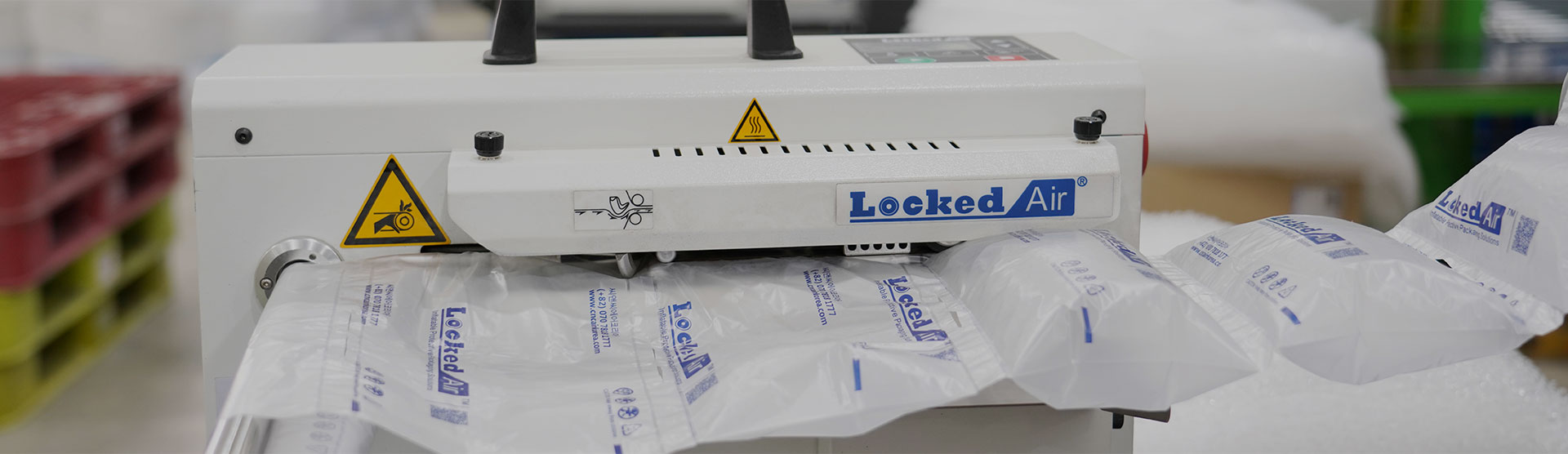
Third-party logistics providers handle products that vary in size, weight, fragility, surface finish, and order volume. A packing line may process apparel, cosmetics, electronics, spare parts, and glassware within the same shift. When every packer chooses materials based on personal experience, the result is often inconsistent protection, excessive material use, slower training, and avoidable shipping damage.
Standardization does not mean forcing every SKU into one packaging method. It means creating a decision system that helps employees select the correct protection quickly and consistently. By classifying products, defining approved materials, and connecting those rules to each workstation, a 3PL can improve packing speed while meeting client requirements.
Why Mixed-SKU Fulfillment Creates Packaging Complexity
Mixed-SKU operations are difficult because packaging decisions must be made in seconds. Packers need to consider product weight, carton void, impact risk, abrasion sensitivity, and customer requirements. Temporary employees may also have limited packaging experience.
Without a shared standard, one operator may use several air pillows while another fills the same carton with excessive paper. A fragile item may receive insufficient wrapping, while a durable product may be overpacked. These variations increase material use and make damage rates harder to analyze.
A useful standard should define the purpose of each material. Void fill prevents movement. Wrapping protects surfaces and absorbs light impacts. Blocking and bracing hold heavier items in position. High-value fragile products may require a fitted air column structure or a combined solution.
Classify SKUs by Weight, Fragility and Surface Sensitivity
Group SKUs by packaging risk rather than product name alone.
Weight: Separate lightweight, medium-weight, and heavy products. Heavier items generate greater force during drops and may crush light void-fill materials.
Fragility: Identify whether a product is durable, moderately fragile, or highly breakable. Glass, ceramics, precision electronics, and bottled liquids usually need more shock absorption than textiles.
Surface sensitivity: Determine whether the product can be scratched, scuffed, or dented. Painted parts, polished metal, displays, and premium retail boxes may require wrapping even when they are not highly fragile.
Also consider carton void. A lightweight item in an oversized carton may need substantial void fill, while a fitted carton may require only surface protection.
When to Use Air Pillows for Void Fill
Air pillows suit lightweight and moderately durable products with open space around them. They fill empty areas without adding much shipping weight and can be produced on demand, making them practical when carton sizes change frequently.
Air pillows should limit product movement, but they should not be the primary support for very heavy goods. A simple rule is to fill side and top gaps until the product no longer shifts during a gentle carton movement test.
For multi-station operations, cushions do not need to be produced by a machine at every table. LockedAir's overhead delivery solution can use one or two LA-E4S machines with a conveying system to feed approximately 10–20 packing stations, reducing equipment clutter and manual replenishment.
When to Use Air Bubble Film for Wrapping
Inflatable air bubble film is more suitable when a product needs wrapping, surface separation, or cushioning around an irregular shape. It can provide a flexible protective layer around electronics, cosmetics, small appliances, and components.
The packing standard should specify the number of wraps by product category and identify areas needing extra protection, such as corners, handles, screens, or projecting parts. The film should remain secure when the item is placed in the carton.
Air bubble film should not be treated as ordinary loose void fill. Its main role is wrapping and impact protection. Clear role definitions help prevent unnecessary material use.
When Paper Void Fill or Paper Cushion Pads Are More Suitable
Paper void fill is useful for customers that prefer paper-based packaging or for products needing firmer support than lightweight air pillows provide. Formed kraft paper can fill gaps, stabilize medium-weight goods, and create a barrier between the product and carton wall.
Paper cushion pads are better for blocking, bracing, and shock absorption. They can be placed under, beside, or above heavier products to limit movement and distribute force. LockedPaper's range includes paper void-fill systems and narrow or wide paper cushion pad machines for different protective functions.
Paper is not automatically best for every parcel. It may add more weight and require more storage space than uninflated film. Selection should be based on product risk, customer preference, packing speed, and total material use rather than a simple “air versus paper” rule.
How to Build a Packaging Decision Matrix
A decision matrix converts packaging knowledge into instructions employees can follow quickly.
| Product condition | Primary protection function | Recommended solution |
|---|
| Lightweight, durable, large carton void | Void fill | Air pillow packaging |
| Scratch-sensitive or irregular shape | Wrapping | Air bubble film |
| Medium or heavy product requiring stability | Blocking and bracing | Paper cushion pad |
| High-value fragile product | Shock absorption | Air column bag or combined solution |
| High-volume mixed-SKU orders | Fast standardization | Air cushion system with delivery accessories |
Support each row with photos, sample cartons, and weight guidance established through internal tests. Document exceptions for customers with special sustainability, branding, or unboxing requirements.
The matrix should also identify what not to use. For example, lightweight air pillows should not be expected to immobilize a heavy metal component, while a dense paper pad may be unnecessary for soft apparel. These restrictions make decisions faster and reduce material waste.
How to Standardize Packing Instructions Across Workstations
Turn the decision matrix into visible workstation instructions. Use short packaging codes, diagrams, and approved quantities instead of long explanations. For example, “A1” may mean air pillows at both sides and on top, while “P2” may indicate a formed paper pad under and around the product.
Train operators with real SKU examples and verify results through movement, drop, or transit tests. Record material use and damage incidents by packaging code. If damage remains high, strengthen the standard. If protection is reliable but material use varies, improve the quantities or images in the instruction.
Packaging rules should also be reviewed when a client introduces a new product, changes its carton, or reports recurring damage. This turns standardization into a controlled improvement process rather than a one-time training exercise.
Centralized equipment can further improve consistency. LockedAir offers overhead baskets, lift systems, splitters, air cushion machines, film, and paper cushioning equipment for integration around existing packing stations. Its splitter solution can deliver air pillows or bubble film close to operators and reach output speeds of up to 52 m/min.
Conclusion
A standardized protective packaging program begins by classifying SKUs according to weight, fragility, surface sensitivity, and carton void. Air pillows, air bubble film, paper void fill, cushion pads, and air column bags should each have a defined purpose. A clear decision matrix, visual instructions, and regular testing can reduce variation without limiting the flexibility required in a mixed-SKU fulfillment center.
For scalable 3PL packaging solutions, BingJia Technology provides LockedAir inflatable cushioning systems, air cushion film and delivery accessories, together with LockedPaper paper void-fill and cushioning equipment for different product profiles and workstation layouts. Contact LockedAir to discuss your SKU mix, parcel volume, packing stations, and protective packaging requirements.

 中文
中文