Glassware and ceramic products are among the most fragile items transported through modern logistics networks. Whether shipping wine glasses, coffee mugs, tea sets, ceramic bowls, or decorative glassware, manufacturers and distributors must protect products from impacts, vibration, compression, and improper handling throughout the supply chain.
Unlike electronics or cosmetics, glass and ceramics have brittle structures that cannot recover once damaged. A small crack around a cup rim or a broken handle often makes the product unsellable. For premium tableware brands, damaged packaging can also affect customer satisfaction and increase replacement costs.
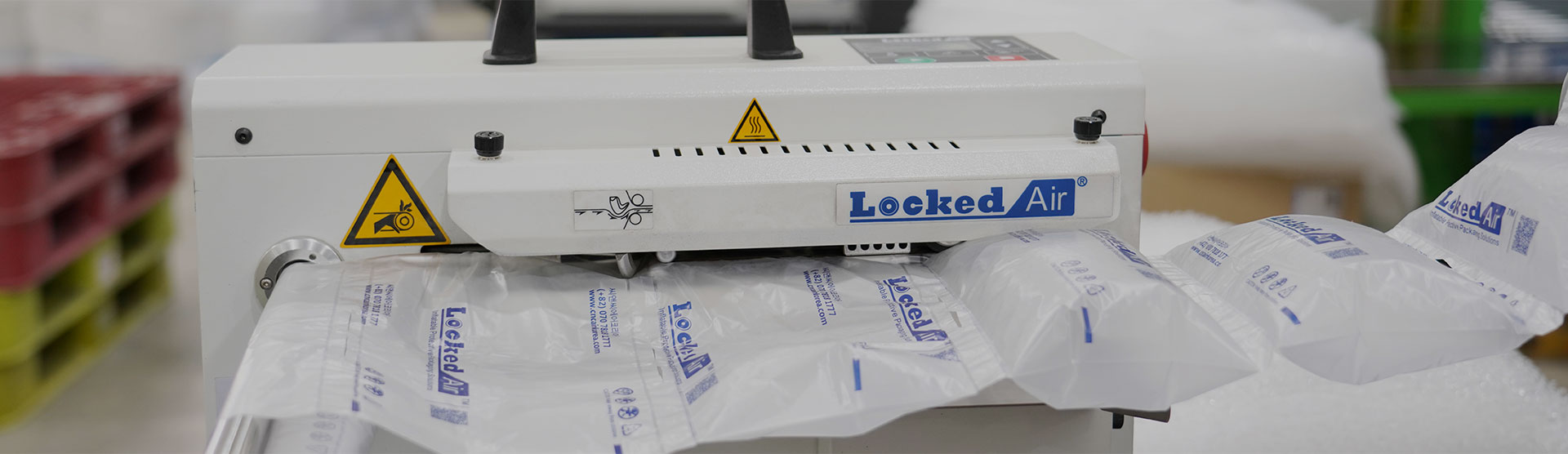
Choosing the right packaging for glassware shipping is therefore about more than adding cushioning. Different products require different protection strategies depending on their shape, weight, and transportation conditions. Modern solutions such as air column bag for glassware, paper bubble, honeycomb paper, and paper cushioning systems allow businesses to improve protection while maintaining packing efficiency.
Why Glassware and Ceramics Need Specialized Packaging
Glass and ceramic products vary significantly in structure and strength. Some products have thin walls, while others include delicate handles, narrow stems, or decorative edges that are particularly vulnerable during transportation.
Common products include:
Drinking glasses
Wine glasses
Coffee mugs
Tea cups
Ceramic bowls
Tea sets
Glass bottles
Decorative ceramics
Each product has different protection requirements. A stemmed wine glass needs impact protection around the bowl and stem, while a ceramic mug requires additional support around the handle. Gift sets containing multiple items also need internal separation to prevent products from colliding.
Instead of using one packaging material for every shipment, manufacturers increasingly combine inflatable and paper-based protective materials according to product design.
Common Shipping Risks for Glassware and Ceramics
Broken Rims and Thin Edges
The rim of a glass or ceramic cup is often the thinnest and weakest part of the product. Even a minor impact against another item or the carton wall can create chips or cracks.
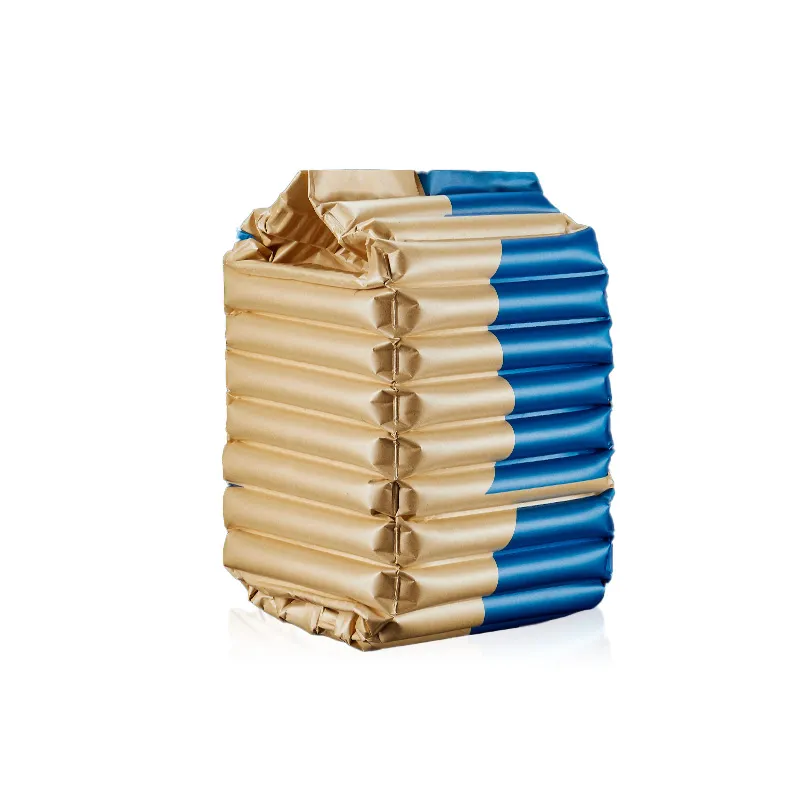
An air column bag for glassware surrounds the entire product with multiple air chambers, helping absorb impacts before they reach fragile edges. Compared with conventional loose-fill materials, inflatable air column bubble wrap provides more consistent protection while using lightweight packaging materials.
Transportation guidelines from major parcel carriers also recommend ensuring fragile items cannot move freely inside shipping cartons to reduce impact damage during transit.
Handles and Protruding Parts
Cup handles are one of the most frequently damaged areas during shipping because they extend beyond the main body of the product.
For mugs, teacups, and specialty drinkware, the protective material should prevent direct pressure from reaching the handle.
Many manufacturers use air filled packaging bags that create cushioning around the entire product rather than only filling empty carton space.
For products with unusually shaped handles, customized air column bags can be produced in different dimensions to improve protection and reduce movement.
Edge Compression During Transportation
Packages are often stacked during warehousing and transportation. Heavy loads can create compression forces that concentrate on the edges of ceramic products.
Proper carton sizing is important, but internal protection is equally critical.
Solutions such as air filled bags combined with air cushioning & voidfill materials help stabilize products while reducing direct contact with carton walls.
For export shipments involving multiple handling stages, inflatable cushioning generally provides better resistance to repeated impacts than relying on loose void fill alone.
Protecting Tea Sets and Multi-Piece Products
Tea sets, coffee gift boxes, and ceramic dining collections present additional challenges because multiple fragile products are packed together.
Without internal separation, cups, saucers, and teapots may collide during transportation, even when the outer carton remains undamaged.
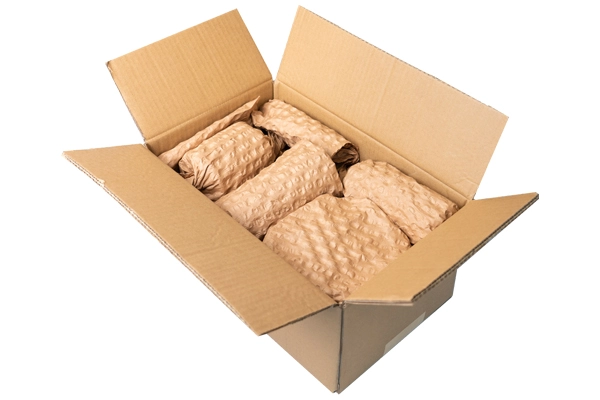
A common solution is to combine air cushion bags, paper bubble, and carton dividers to isolate each component individually.
For premium retail packaging, wrapping each item before placing it into the gift box also helps prevent surface scratches while improving the unboxing experience.
When Air Column Bags Are the Better Choice
An air column bag for glassware is particularly suitable when products require maximum impact protection or are shipped individually through parcel delivery networks.
Typical applications include:
Wine glasses
Crystal glassware
Premium mugs
Handmade ceramics
Glass bottles
Export shipments
Independent air chambers distribute impact energy around the product instead of concentrating force on one location. Because the bags are supplied flat before inflation, they also reduce warehouse storage requirements compared with pre-formed cushioning materials.
In addition, LockedAir offers customized air column bags in different sizes and structures, allowing manufacturers to match the packaging to specific cup, bottle, or glassware designs. Company logos can also be printed on selected consumables to strengthen brand identity during e-commerce fulfillment.
When Paper Cushioning Is the Better Choice
Paper-based protective materials are an excellent option when products need both cushioning and surface protection. Unlike inflatable packaging, paper can be folded, wrapped, or shaped around products with irregular geometries, making it especially suitable for ceramic collections, giftware, and premium retail packaging.
For warehouses processing high order volumes, a paper padding machine can produce cushioning material on demand, reducing packing time while maintaining consistent protection. Smaller businesses may prefer a manual paper void fill system or manual void fill paper for flexible packing operations.
Air Column Bags vs Paper Cushioning
Both inflatable and paper-based materials offer valuable protection, but they perform differently depending on the product and shipping conditions.
Feature | Air Column Bags | Paper Cushioning |
Impact protection | ★★★★★ | ★★★★☆ |
Protection for cup handles | ★★★★★ | ★★★☆☆ |
Rim and edge protection | ★★★★★ | ★★★★☆ |
Scratch protection | ★★★☆☆ | ★★★★★ |
Multi-piece gift sets | ★★★★☆ | ★★★★★ |
Warehouse storage | ★★★★★ (stored flat before inflation) | ★★★★☆ |
Premium unboxing | ★★★★☆ | ★★★★★ |
Custom sizes available | Yes | Yes |
In many cases, the best solution is not choosing one material over the other, but combining both. For example, a fragile wine glass can be protected by an air column bag for glassware, while black honeycomb paper is used to protect the gift box and decorative finish.
Packaging Selection Workflow
The following guide helps manufacturers select the most appropriate packaging solution.
Product Characteristics | Recommended Solution |
Thin wine glasses | Air Column Bag + Air Cushion Bags |
Ceramic mugs with handles | Customized Air Column Bag |
Premium tea sets | Paper Bubble + Black Honeycomb Paper + Carton Dividers |
Export glassware | Air Column Bag + Air Cushioning & Void Fill |
Handmade ceramics | Folded Kraft Paper + Paper Cushioning |
Mixed-product gift boxes | Paper Bubble + Brown Paper Void Fill |
For large fulfillment centers shipping a wide range of fragile products, combining inflatable protection with paper cushioning provides greater flexibility while reducing overall shipping damage.
LockedAir and LockedPaper Solutions
LockedAir offers complete protective packaging systems for manufacturers, e-commerce businesses, and distributors shipping glassware and ceramic products.
Packaging materials can also be customized with company logos, while air column bags are available in different sizes and structures to accommodate cups, mugs, wine glasses, bottles, and ceramic products with unique shapes.
This flexibility enables businesses to improve both transportation safety and brand presentation while supporting efficient warehouse operations.
Choosing the Right Solution
When selecting protective packaging for cups, businesses should evaluate:
Product weight
Glass or ceramic thickness
Handles, rims, or protruding parts
Individual or multi-piece packaging
Shipping distance
Warehouse packing efficiency
Customer unboxing expectations
As a general rule:
Choose air column bags for products requiring maximum impact protection, especially fragile glassware and export shipments.
Choose paper cushioning for premium presentation, scratch protection, and multi-piece gift sets.
Combine both systems when shipping high-value or fragile products with decorative retail packaging.
Industry best practices recommend selecting cushioning materials based on product fragility, package design, and distribution conditions.
Conclusion
Effective packaging for glassware shipping requires more than simply filling empty space inside a carton. Fragile products such as cups, mugs, tea sets, and decorative ceramics face multiple transportation risks, including broken rims, damaged handles, edge impacts, and surface scratches. Air column bags for glassware provide outstanding shock protection for individual items, while black honeycomb paper, and kraft paper cushioning offer excellent surface protection and presentation for gift sets and premium products. By selecting packaging according to product structure, shipping conditions, and customer expectations, manufacturers can reduce breakage, improve operational efficiency, and deliver a better customer experience.

 中文
中文